Scott 3200A Tailwheel – Fully Rebuilt: Heavy-Duty General Aviation Tailwheel Assembly
Scott 3200A Tailwheel – Fully Rebuilt: Heavy-Duty General Aviation Tailwheel Assembly
Blog Article
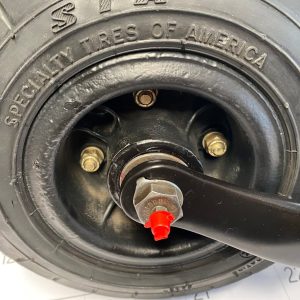
The Scott 3200A Tailwheel – Fully Rebuilt combines an established aviation design with inspected, serviced, adjusted, and replaced components intended to restore dependable mechanical operation. Clear rebuild records help aircraft owners and maintenance professionals evaluate the tailwheel before installation.
The Scott 3200A Tailwheel Assembly should be matched with the aircraft tail spring, mounting arrangement, steering linkage, operational weight, and approved configuration. Professional rebuilding can renew worn mechanical relationships when suitable components and procedures are used.
The Aircraft Tailwheel Assembly carries tail loads while allowing the aircraft to taxi, turn, park, take off, and land on suitable surfaces. A General Aviation Tailwheel may be used on training aircraft, classic taildraggers, bush airplanes, utility platforms, experimental aircraft, and restored vintage designs.
Whether buyers need an Aircraft Tailwheel, Taildragger Tailwheel, or complete Aviation Tailwheel System, model identification and rebuild details should be verified.
Exploring the Scott 3200 Tailwheel Design
A fully rebuilt Scott 3200A may offer practical value when its identity, condition, rebuild scope, and aircraft compatibility are confirmed. Poor ground handling can result from issues outside the tailwheel, including incorrect chain tension, fatigued springs, loose mounting hardware, bent tail springs, or misalignment.
Scott 3200A Tailwheel Applications
The Scott 3200A Tailwheel Assembly includes a wheel-and-fork structure combined with steering and swiveling mechanisms for suitable tailwheel-equipped airplanes. Detailed documentation gives buyers a stronger basis for comparing available Scott 3200A Tailwheel Assemblies.
Evaluating a Rebuilt Scott Tailwheel Assembly
Worn components should be replaced while retained items should meet suitable inspection criteria. A freshly painted assembly may still contain worn bearings, weak springs, excessive clearances, or damaged steering components when no true rebuild was completed.
How an Aircraft Tailwheel Assembly Works
Correct mechanical condition supports predictable aircraft behavior on the ground. Weak, broken, or mismatched steering springs may reduce directional response or create irregular control.
Choosing a General Aviation Tailwheel
A General Aviation Tailwheel may operate from paved airports, grass runways, gravel strips, private fields, dirt airstrips, and backcountry locations. Experimental aircraft installations should be evaluated according to the builder’s configuration and applicable operational requirements.
Maintaining an Aircraft Tailwheel
A well-maintained Aircraft Tailwheel can support smoother tracking and reduce unnecessary pilot workload. Abnormal wear may indicate misalignment, bearing problems, repeated shimmy, poor adjustment, or use on abrasive surfaces.
Taildragger Ground Handling
A responsive and correctly adjusted tailwheel can contribute to predictable taxiing and controlled turning. Pilots should avoid unnecessary mechanical stress while using operating techniques appropriate to the aircraft and surface.
Maintaining an Aviation Tailwheel System
A worn tail spring or loose mounting bolt may cause poor tracking even when the rebuilt tailwheel remains mechanically serviceable. Excessive slack can delay steering response, while excessive tension may restrict movement or overload components.
Choosing a Tailwheel Steering Assembly
Wear in these components may create looseness, poor tracking, inconsistent engagement, or delayed control. Correct clearance prevents binding and unnecessary mechanical loading.
Aircraft Taxi Steering Performance
Its mechanical condition influences how easily the aircraft can turn and track on the ground. Towing should use appropriate equipment and procedures that avoid overloading steering arms, chains, springs, forks, or mounting structures.
Maintaining Scott 3200 Series Components
Historical popularity does not remove the need for exact aircraft compatibility and installation verification. Model identification should be supported through reliable references and qualified review.
Benefits of a Heavy-Duty Aircraft Tailwheel
Professional review remains necessary before fitting a Heavy-Duty Aircraft Tailwheel. Mud, dust, gravel, and water can shorten inspection and lubrication intervals.
Buying Tailwheel Aircraft Parts
Replacement components should be selected through accurate identification and suitable technical references. The rebuild should examine all interacting parts rather than focusing on external appearance.
Aircraft Tailwheel Directional Control
Alignment and steering-link condition influence how accurately the wheel follows pilot input. Maintenance personnel should inspect steering arms, springs, chains, fork structure, wheel condition, and mounting points after significant events.
Buying a Replacement Aircraft Tailwheel
The rebuilt Scott 3200A should be compared with both the existing installation and the intended aircraft configuration. The unit should not be installed solely because it appears clean or freshly refinished.
Choosing General Aviation Landing Gear Parts
Main-wheel alignment, brake condition, tire pressure, and airframe rigging can influence how a taildragger behaves on the ground. Transparent descriptions support trust among aircraft owners, sellers, and maintenance professionals.
Inspecting a Fully Rebuilt Scott 3200A
The rebuild date and identity of the rebuilder should be provided where available.
- Confirm that the assembly is a Scott 3200A, review all visible markings, compare mounting details, and verify the wheel-and-fork configuration for the intended aircraft.
- Do not treat clean paint, fresh grease, or bright hardware as proof of a complete mechanical rebuild.
- Require packaging that protects the wheel, fork, steering arms, mounting surfaces, fittings, and loose hardware from impact and movement.
Commissioning a Rebuilt Scott 3200A
The aircraft should be supported safely while the existing assembly, tail spring, steering links, mounting bolts, and surrounding structure are inspected. The steering linkage should respond properly without restricting rudder movement.
Controlled taxi testing may help confirm steering response, centering, ground tracking, brake interaction, and shimmy resistance.
Routine Tailwheel Inspection and Service
Aircraft operating from dirt, grass, gravel, mud, or backcountry strips may require more frequent attention. Early attention supports reliable long-term operation.
Hardware and moving areas should remain visible enough for inspection.
Final Thoughts on the Rebuilt Scott 3200A
The Scott 3200A Tailwheel – Fully Rebuilt offers meaningful commercial value when the work performed is transparent and the complete package is described accurately. The strongest purchase decision begins with confirming model identity, rebuild scope, replaced components, retained parts, structural condition, tire status, steering arrangement, included hardware, and aircraft compatibility.
Whether buyers need an Aircraft Tailwheel, Taildragger Tailwheel, Aviation Tailwheel System, or Tailwheel check here Steering Assembly, qualified inspection remains essential. With verified compatibility, correct installation, professional steering adjustment, suitable lubrication, and routine inspection, the assembly can provide dependable long-term value.
Report this page